
Trust Is Built, Not Declared
An exploration of trust, fear, avoidance culture and why the best client-agency relationships often feel more like creative partnerships than a 'service'.

Trust is the word that appeared more than almost any other across the thirty-odd responses we gathered from leading brands and agencies for this series. Cited as the foundation for good work, the precondition for creative bravery and the quality people most want from a partner.
It is also, almost without exception, undefined.
People declare it, invoke it and describe its absence with remarkable precision. But very few button down what it actually means: what it’s made of, how it accumulates and how to sustain it.
So let’s try.
Trust is not a value. It is not a vibe. It is a ledger. It accrues through specific, observable behaviours: being honest upfront, showing up consistently, saying what you actually think when it would be easier not to, staying in the room when the project goes sideways, and choosing to solve the problem together instead of allocating blame. It drains through specific behaviours too: avoidance, arrogance, broken promises and by giving fear a seat at the table. Both sides hold a pen. That is the thing the industry keeps forgetting.
The research made the stakes clear.
The average brand-agency relationship in the UK lasts around 3.2 years1. Among the world’s top 40 brand-agency partnerships, the average is 22 years2. That gap, nearly two decades, is not a coincidence. It is not explained by better portfolios or sharper briefs or more efficient processes. It is the trust gap. The brands cycling through agencies every three years are optimising for something. Just not, it turns out, the work.
Ana Lapa, a designer we spoke to, named the timeline plainly: the first project is usually when everyone is on their best behaviour. The good stuff comes later, once there’s enough trust in the room to be honest with each other. That is not a soft argument for patience. It is a strategic one. The conditions for genuinely great work, the kind where both sides take real creative risks, only become available after a period of demonstrated reliability. The first brief is not where the trust lives. The fifth brief is.
Paul Austin, Partner at Made Thought, described the common thread across all of his studio’s longest-standing client relationships as a shared creative ambition and the appetite to genuinely move the needle together, where the agency’s role was not as a service but as a collaborator. Co-creating briefs. Inspiring each other. Alex Tan, Partner Strategy Director at Mouthwash Studio, put it simply: projects are great, but partnerships are better. The distinction matters. A project has a beginning and an end. A partnership has a direction.
The most resonant answers in our research described something beyond even that: the moment when the boundary between client and agency stopped mattering entirely. Andy Harvey, Founder of Communion, described it as becoming integral to each other's worlds, to the point where client and agency boundary dissolved.
The best of these relationships were also defined by the scale of what was being attempted. Harvey described working with a brand that set a shared ambition so high it almost felt out of reach. Scary, even. Then they committed. They stayed. That discomfort, the shared willingness to attempt something that might not work, is where the best work in this industry is born.
Before we get into what destroys trust, it’s worth naming something that agencies often forget.
Nav Gill, Brand Manager at Nike, said it directly: the client is generally on your side. They brought you in. They trust your expertise. They want what you bring to the table. But that goes both ways. If you want to create incredible work, you need to trust them back. It sounds obvious. In practice it is one of the most consistently overlooked dynamics in the relationship.
The agency that treats its client as a gatekeeper to be managed rather than a partner to be worked with has already lost something. The client feels it, even when nobody says so. And it comes back to an agency's willingness to roll up their sleeves instead of rolling their eyes. To move out of a “them” and “us” dynamic and into something more fluid and meaningful.
Healthy challenge is part of this too. Joel Linkewer, Senior Marketing Manager at Airbnb, named the quality he values most in a creative partner as the willingness to get into healthy debate, to disagree, to push back on established processes. Luke Li, Global Creative Lead at IKEA, agreed: the best partners challenge the work constructively and push ideas further than originally imagined. The agency that only says yes is not building trust. It is avoiding it. And sometimes, and this is worth saying plainly, we are too British to realise that’s what we’re doing.
Cultural fit is the precondition for all of this. Mo White, CEO at Refy Beauty, described the best agency relationship of her career as one defined entirely by cultural synergy: two teams committed to solving problems together. Frida Hedqvist, who consults on Innovation at IKEA, agreed: what matters most is grounded people you can build trust with. Great work is rarely linear, so human collaboration and connection matter. Lil Fletcher, MD at Broadwick Studios, named the same conditions from the other direction: the most common barriers to good work are taste, trust, and respect for the process. And you cannot build trust across a values gap, however good the brief is.
Now. What destroys trust.
The dominant operating condition in more client organisations than anyone officially acknowledges is fear. Andy Harvey named it plainly: indecision, second-guessing, pulling the work apart line by line. It kills momentum, and with it belief. Fear is the mind killer. And the science backs this up: fear suppresses the prefrontal cortex, the part of the brain responsible for original thinking, and triggers a survival response that is the physiological opposite of a creative state.
Fear is not a personal failing. It is an organisational condition. And it expresses itself through the relationship whether or not anyone names it. The creative team senses it. The brief arrives shaped by it. The work gets pulled back to safety before it's had a chance to be brave. The painful irony is that the caution designed to protect the work is usually what diminishes it.
Fear’s primary expression in the relationship is avoidance. Joel Linkewer named it as the dominant strain in the partnerships that fail: avoiding decisions, avoiding commitment, avoiding difficult conversations, avoiding honest opinions. The word appears five times in a single answer. The repetition is the point. Conflict handled well produces clarity. Avoidance handled politely produces the same ambiguity, indefinitely.
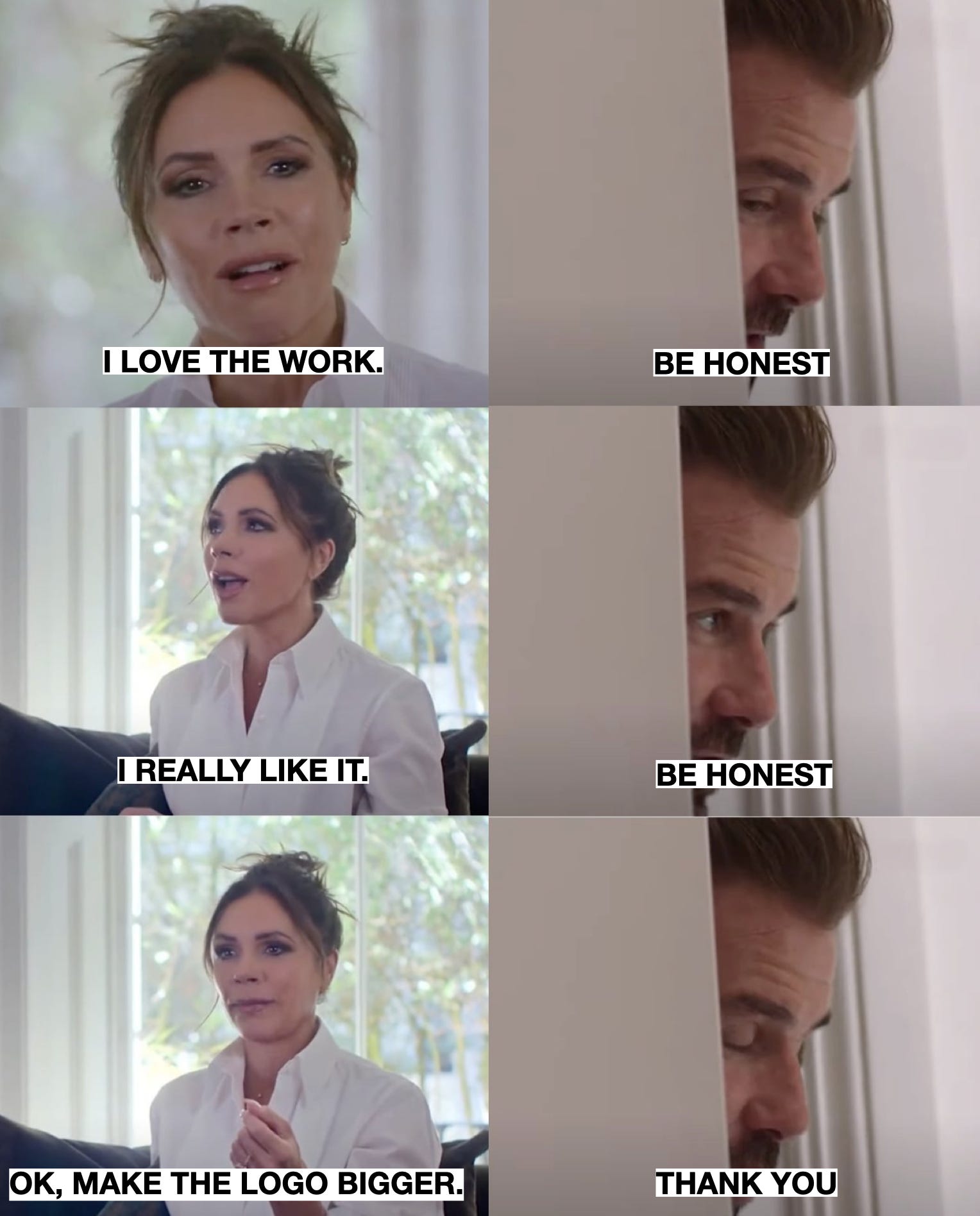
The reject-and-repeat loop is avoidance’s most visible form. Mark Carroll, Creative Strategy Lead at Pinterest, described it precisely: a client actively hunting for problems, not collaborating, not building on potential, just scanning for reasons to fault the work. A posture of critique without construction. What makes it corrosive is not the rejection itself. It’s the client’s absence from contributing to the answer.
Arrogance does the same damage from the other direction. Nav Gill described the superiority complex that can develop at agencies on longstanding retainers as an impossible hole to climb out of once you’re in it. The client becomes someone to be managed rather than worked with. Clients feel it. And when they do, the relationship is already over. The conversation just hasn’t caught up yet.
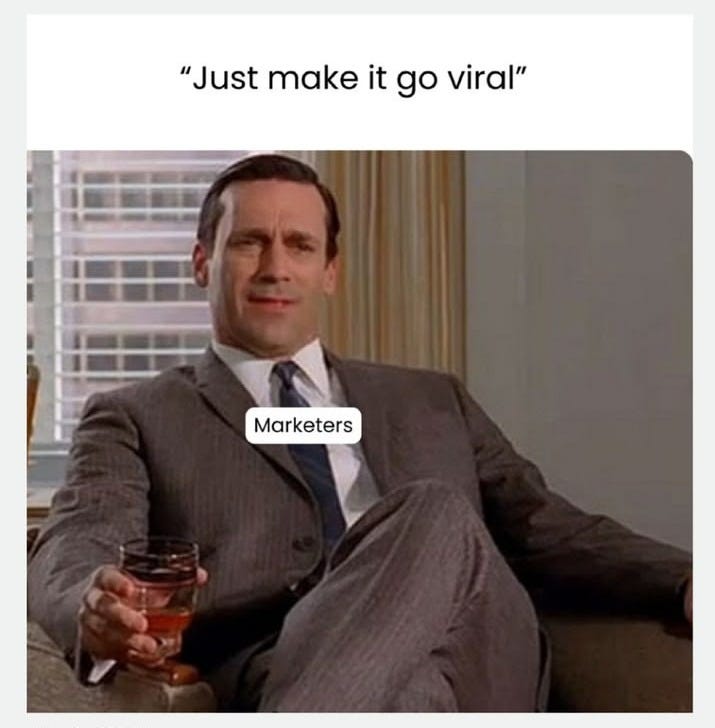
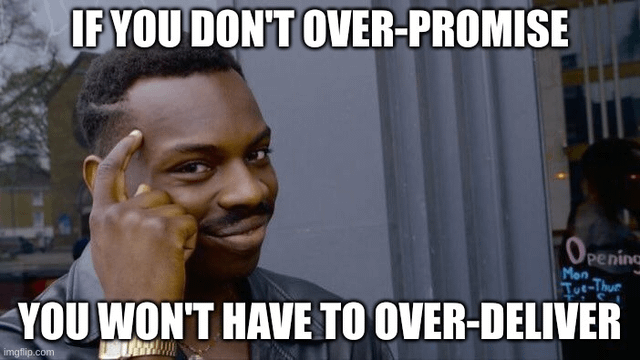
And then there is overpromising, which is where trust breaks down most visibly before the work has even properly started. Luke Li noted that being sold by a senior team and handed to a junior one erodes the relationship before the first round of work comes back. One contributor who asked not to be named described their worst agency experience as so damaging it ended their organisation’s willingness to work with agencies entirely. Drowned in meetings and workflow. Underhand communications. Promised the world, then blindsided on execution.
Lesley Winterbach, Founder of The GOODList, put the pattern plainly: most client relationships that go wrong started with a pitch where the agency said yes to things it couldn’t deliver.
When things go wrong, repair is sometimes possible. Rupture and repair is a healthy part of any relationship. But repair is only possible when both sides choose it over contempt.
Liam S. Gleeson, Founder of Hidden Agency and Hi-fi.london, described a moment when an escalated concern was taken seriously by the client hierarchy and reviewed internally. It didn't fix everything. But it changed something. "We felt seen", he said. Not a complete fix. Not a formal process. Just the knowledge that what the agency had experienced had been heard. In a relationship where so much goes unnamed, being seen, genuinely, is sometimes enough.
How a brand talks about the work publicly, and who they name when they do, reveals something about how they actually see the relationship. Thomas Kirkby-Jones, Founding Partner of Breaks, put it in terms of reputation: we will only be as good as our last piece of work. The agency's name is on the outcome whether or not it's credited. The clients who understand that tend to be the ones who get the most back.
Not every partnership is meant to work. As Alex Tan pointed out: somewhere along the line the industry told itself that every brand-agency relationship needs to work out. Knowing when to stop is its own form of professionalism.
Trust is not the kind of thing you can reference in a credentials deck. It does not live in a slide about values or a section of the agency website titled Our Approach. It comes alive in the moment the work goes sideways. Whether you stay when it gets hard. Whether you tell the truth when the truth is inconvenient. Whether you push back when pushing back is the right thing to do, even knowing it might cost you the relationship.
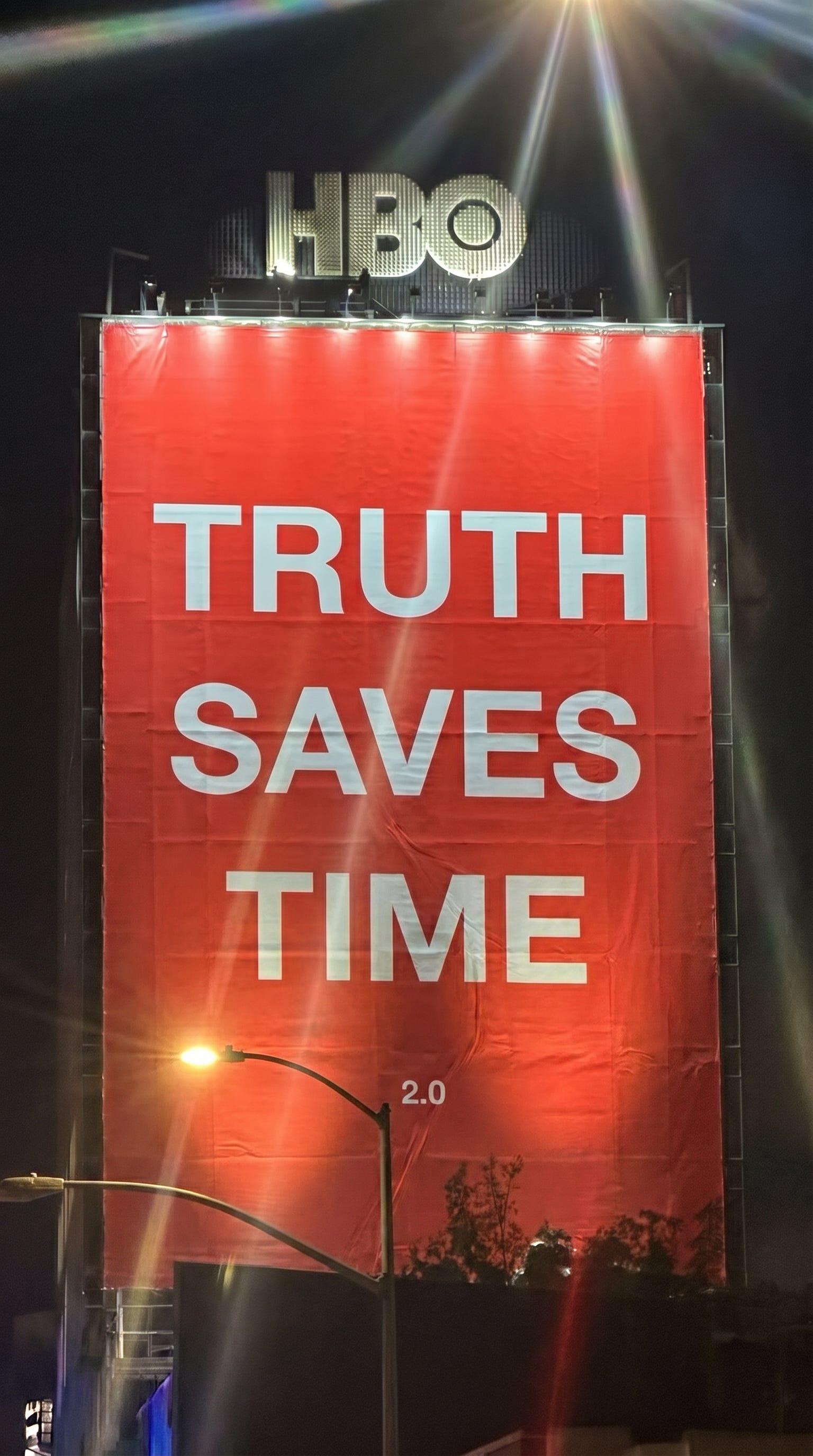
And yet the industry keeps treating it as a given. Something that simply exists, or doesn’t, rather than something that has to be actively built and actively protected on both sides. We talk about trust constantly and design almost nothing around it. No process for building it. No shared language for naming when it’s gone. No agreed moment to ask whether it was ever really there in the first place.
Which raises the harder question. If trust is the foundation for everything, what is the industry actually doing to build it? What would a pitch process look like if it was designed around establishing trust rather than winning business alone? What would a retainer look like if both sides had agreed, upfront, on what trust between them actually required? What would the work look like if fear stopped being the dominant operating condition in the room? And if the service model is dead, shouldn’t we be rethinking what we even call these roles? Should you be hiring a Head of Trust?
So, what would a relationship built on actual trust require? A few places to start…
If you’re the client:
Brief five is where the good work begins. Give your agency time to get to know you.
If your agency never pushes back, ask yourself why. You may have trained them not to.
You hired them because you trusted their expertise. Let them use it.
If you’re the agency:
Tell the truth in the pitch. Otherwise it comes out in the execution.
The moment you start treating your client as them rather than us, they feel it. And so does the work.
Trust-building is the most important job in the building. Reshape your teams, pitches and processes around it.
And both: the absence of conflict is not evidence of trust. It is usually evidence of avoidance. The relationship worth having is the one where honesty is safe enough to be practised regularly, not saved for the exit conversation.
Anything we’ve missed? What does trust actually look like in your creative relationships right now? And what is getting in the way of it? Tell us in the comments.
A massive thanks to our contributors:
Frida Hedqvist (IKEA), Alex Tan (MOUTHWASH Studio), Nav Gill (Nike), Nikita Walia (U.N.N.A.M.E.D.), Joel Linkewer (AIRBNB), Isobel Farmiloe (DAZED), Thomas Kirkby-Jones (BREAKS), Mark Carroll (PINTEREST), Andy Harvey (COMMUNION), Mo White (REFY), Damola Oladapo (House Captain), Annie Masciavè (VINTED), Dani Coyle (Intersexy), Luke Li (IKEA), Liam S.Gleeson (HIDDEN and Hi-fi.london), Susie O’Brien (adidas), Lily Fletcher (Broadwick Studios), Lesley Winterbach (The GOODList), Paul Austin (Made Thought), Shanice Mears FRSA (The Elephant Room), Laura Conway (Creative Blood), Ana L, and Munise Can (Highsnobiety).
And a few who wanted to stay anonymous ;)
And special thanks to Lucinda Bounsall of Post-Culture by Sibling Studio – who the series was written in collaboration with.
Subscribe to LOOK-UP.WORLD™, By Morwenna
For 20 years, Morwenna has watched what separates creative businesses that take off from ones that plateau. LOOK-UP.WORLD™ is taking those insights public.
The average UK brand-agency relationship length of 3.2 years is widely cited across industry sources including The Drum and Element Three.
The top 40 global brand-agency partnerships averaging 22 years is sourced from R3 Research's Top 40 Client-Agency Relationships report.
Great piece, great insights!